Test content page
test lorem ipsum
Test sam lorem ipsum sldkfjslk /mf'

Dr Cathy Offord inside the nursery at the Australian Botanic Garden Mount Annan where Wollemi Pines are grown for research and conservation purposes. Image: Michael Santos/Botanic Gardens of Sydney
Finding a living fossil
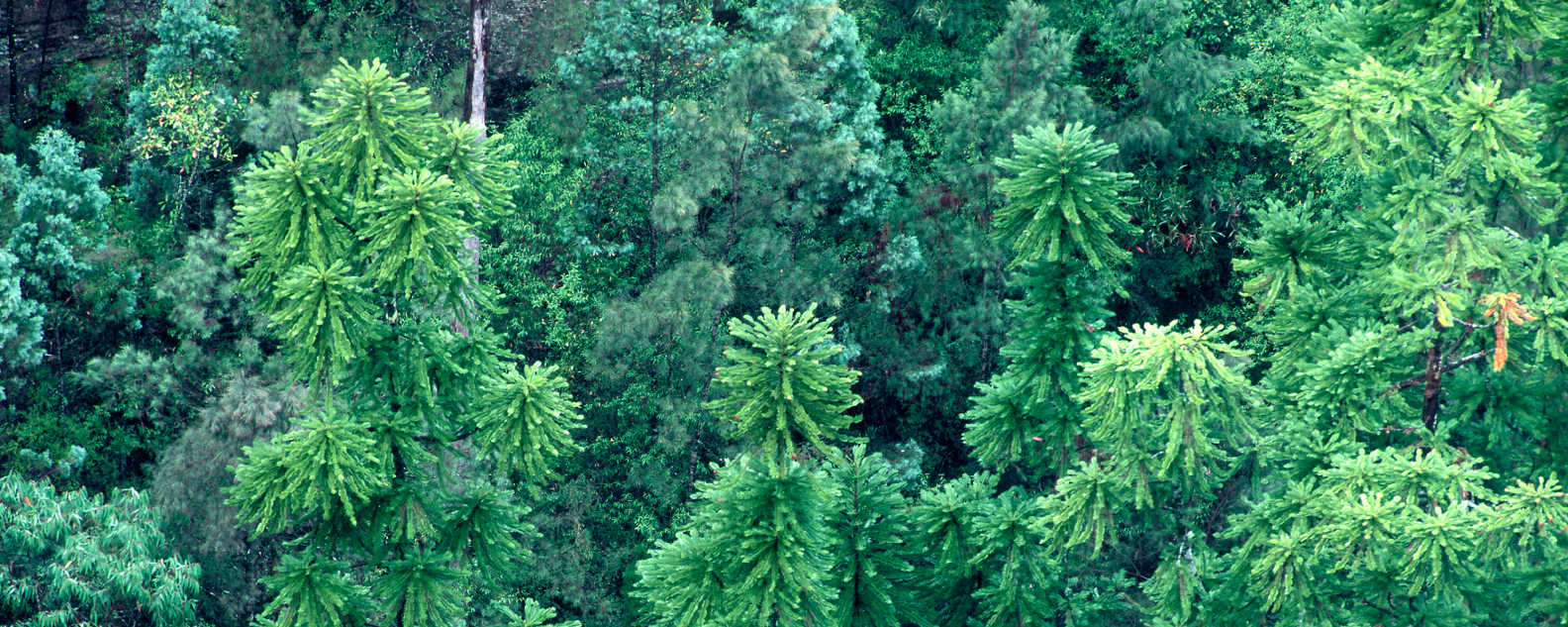
In September 1994, NSW National Parks officer David Noble stumbled across an unfamiliar yet striking group of tall pine trees. Nestled in a deep, narrow canyon in the Blue Mountains in New South Wales, Noble had unknowingly uncovered an ancient species with origins dating back more than 60 million years.
Dr Cathy Offord with a Wollemi Pine after the species was first discovered in 1994. Image: Botanic Gardens of Sydney
I Spy a Wollemi Pine
The discovery of the ‘dinosaur tree’ captured hearts all around the world. Initially, Wollemi Pines were only cultivated in botanic gardens, and were often kept in protective cages. The plant was first made available to the public in 2005, and from there, their popularity exploded. Today, they can be found thriving in parks, gardens and backyards across the globe.
With this increase in popularity came an opportunity to learn more about this fascinating species. In December 2019, Dr Cathy Offord from the Botanic Gardens of Sydney and Dr Heidi Zimmer from CSIRO launched the I Spy A Wollemi Pine citizen science survey. The survey invited anyone who was growing a Wollemi Pine in their home garden or had spotted one in their local area to share their knowledge about the plant. It included questions about location, soil type, fertiliser use, growth in pots versus planting in the ground, tree height and more.
Incredibly, more than 1,500 people from across 31 countries responded and created an enormous pool of data. The survey revealed the ancient tree’s preferred environment and growing conditions, finding that Wollemi Pines thrived in temperate climates with temperatures between 3.2 and 25.4C, and above-average rainfall. It also found that the tree took a particular liking to loamy soil.
Tune in to Branch Out
To learn more about the ‘dinosaur tree’ listen to Branch Out Episode 4, No Plants No Past.
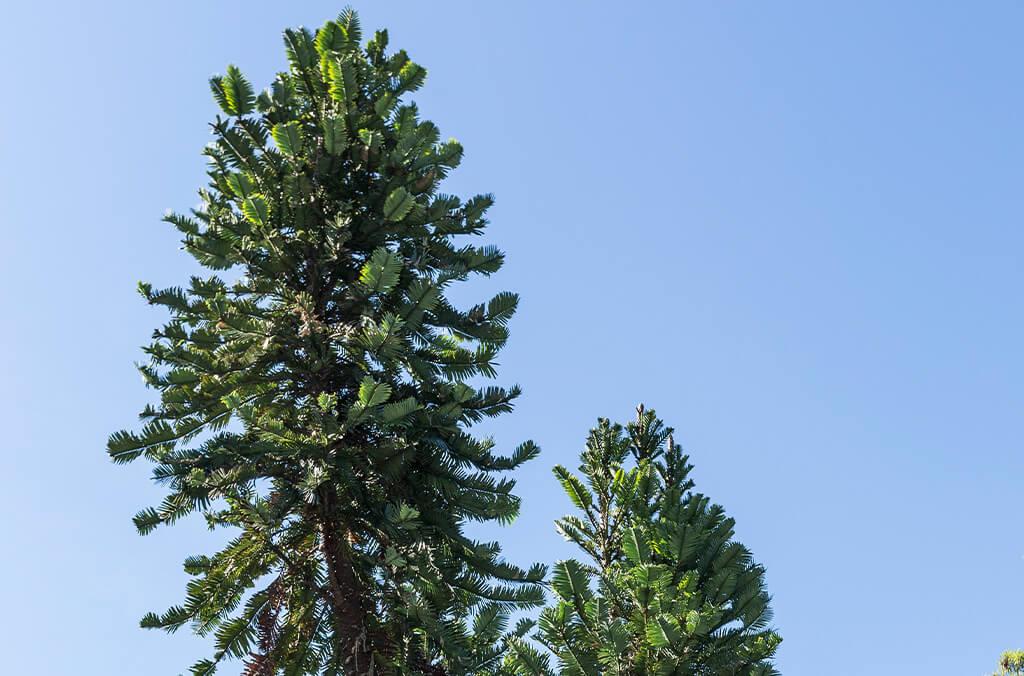
The Wollemi Pine can reach soaring heights, with the tallest in the wild measured at a staggering 42 metres. 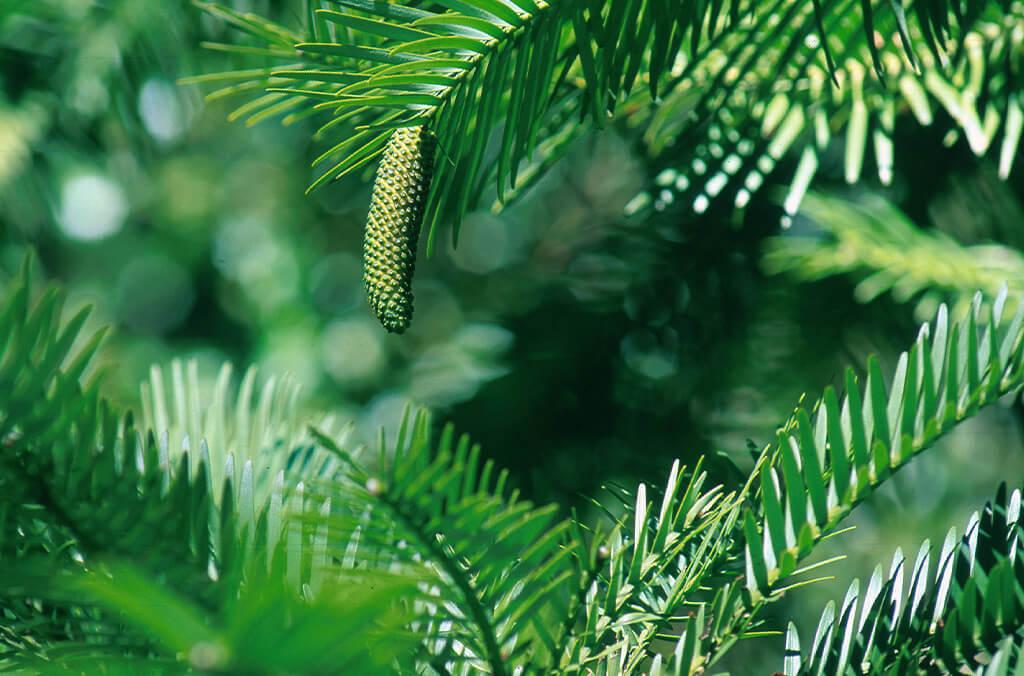
The trees have both male and female sexual reproductive cones. 
The Wollemi Pine is named after the Wollemi National Park, in the World Heritage-listed Blue Mountains, where David Noble first discovered it. 
Scientists and horticulturists at the Botanic Gardens of Sydney have played a vital role in conserving the Wollemi Pine. 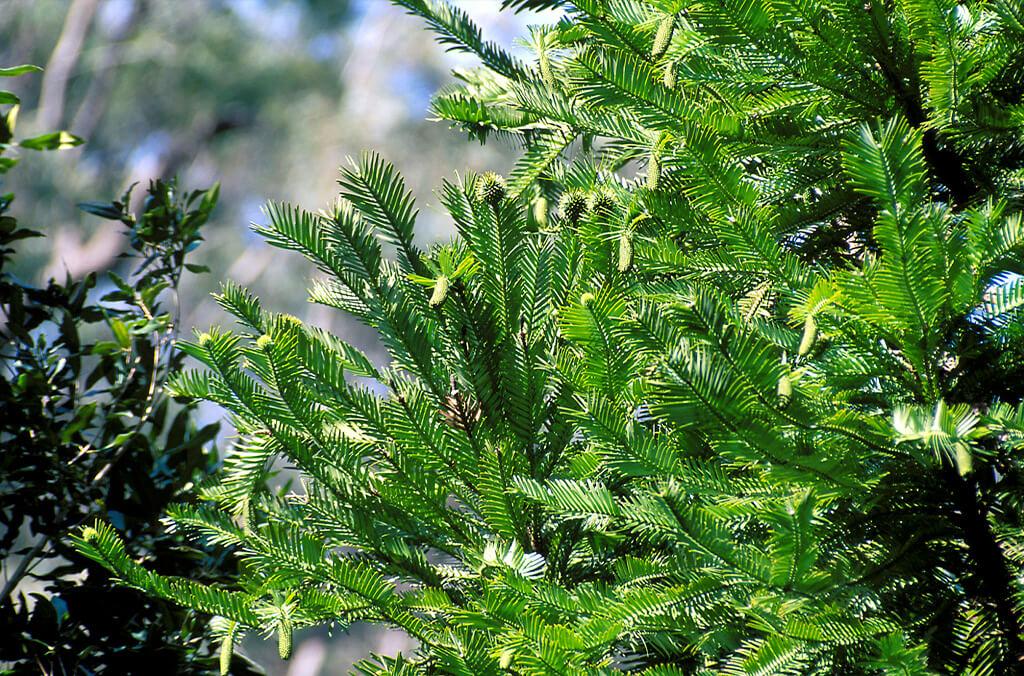
Wollemi Pines are easy to grow at home, even in pots and balconies.

Three great ways to spend summer outdoors in the beautiful garden.