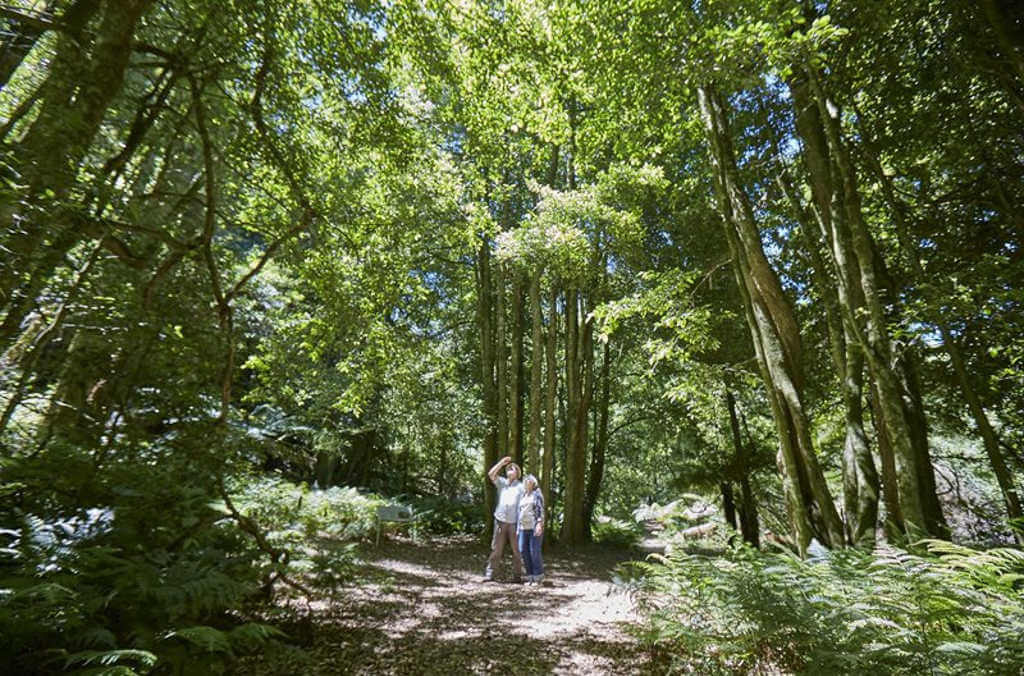

Shinrin-yoku or “forest bathing”, the Japanese practice of immersing oneself in the atmosphere of the forest, is a balm for the body and soul, writes Marion Whitehead, Supervisor Ornamental Gardens and Nursery Mount Tomah.
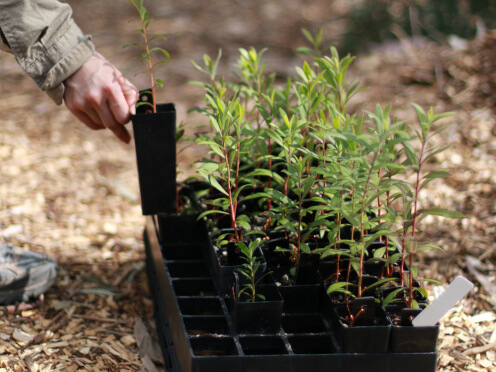
A molecular tool could change the future of broad-leaved paperbark, allowing scientists to identify myrtle rust–resistant trees and restore threatened landscapes more effectively.
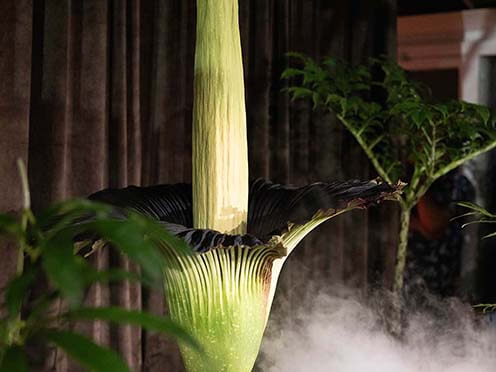
One year ago, a pungent princess captivated the world when she bloomed at the Royal Botanic Garden Sydney. Our new documentary goes behind the scenes to reveal her rapid rise to fame, her extraordinary life cycle, and the conservation work saving this once-a-decade bloomer.
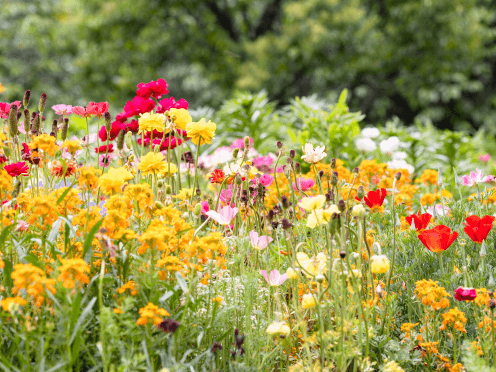
An easy, beginner-friendly guide to transform your backyard or balcony into a dreamy, native meadow inspired by Australian flora and the sleepy charm of blue‑banded bees.
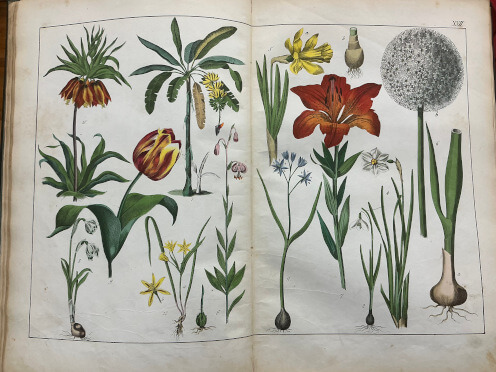
As fascinating as the books housed at the Daniel Solander Library are, the journeys they have taken to arrive there can be just as intriguing, writes Miguel Garcia.
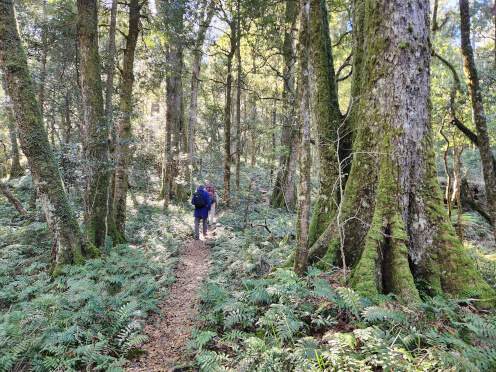
For the team at the Research Centre for Ecosystem Resilience (ReCER), a request from the Blue Mountains Botanic Garden to create a hedge of the towering Nothofagus moorei, or Antarctic beech, sparked a unique collaboration between science and horticulture.
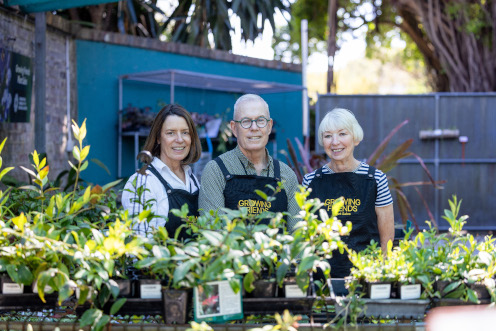
With a fresh new look and a renewed sense of purpose, Growing Friends Plant Sales continues to go from strength to strength, uniting passionate volunteers, beautiful plants and a shared love of the Gardens.
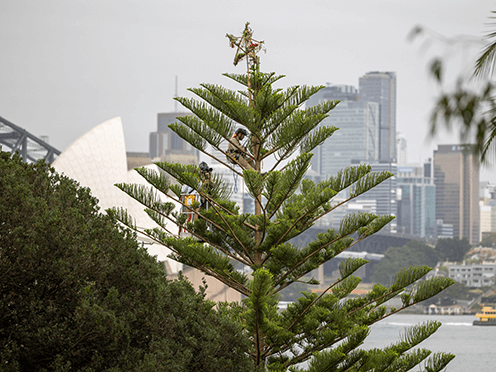
Discover the Royal Botanic Garden Sydney's very own "Christmas trees" - a festive trio of pretty pines from a lineage stretching all the way back to the time of the dinosaurs.
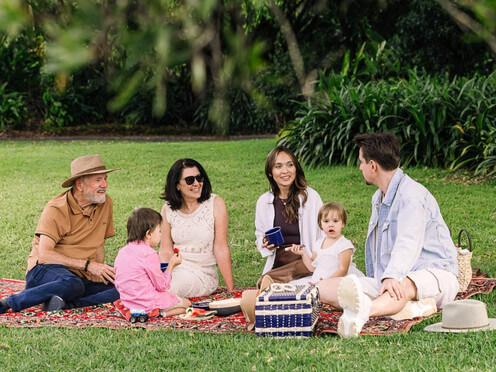
Whether you’re here for culture, time with friends, a family adventure, or a quiet escape among the trees – discover the itinerary that brings your ideal summer day to life.
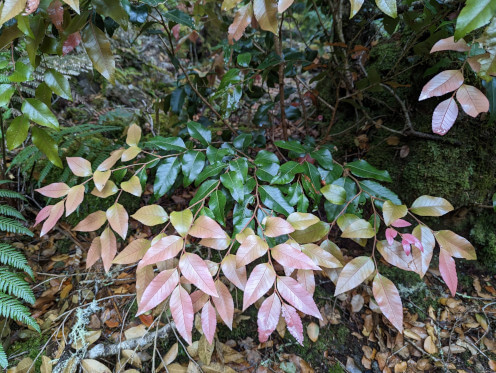
For the team at the Research Centre for Ecosystem Resilience (ReCER), a request from the Blue Mountains Botanic Garden to design a hedge of the towering Nothofagus moorei, or Antarctic beech, sparked a unique collaboration between science and horticulture.
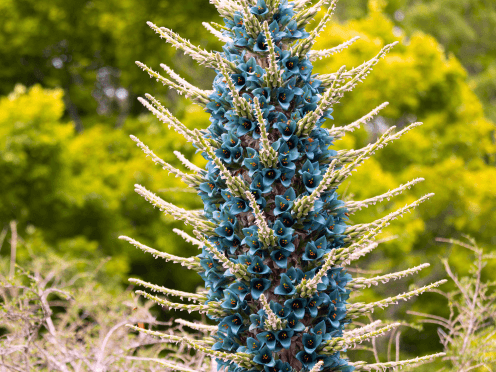
An extraordinary display of rare turquoise blooms are starting to flower at the Blue Mountains Botanic Garden Mount Tomah, with one species blooming for the first time ever.
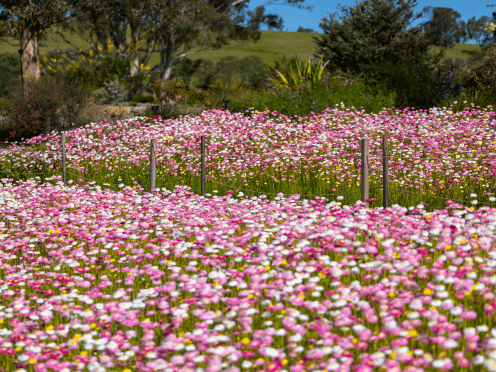
One of the largest paper daisy displays in eastern Australia is in flower at the Australian Botanic Garden Mount Annan.